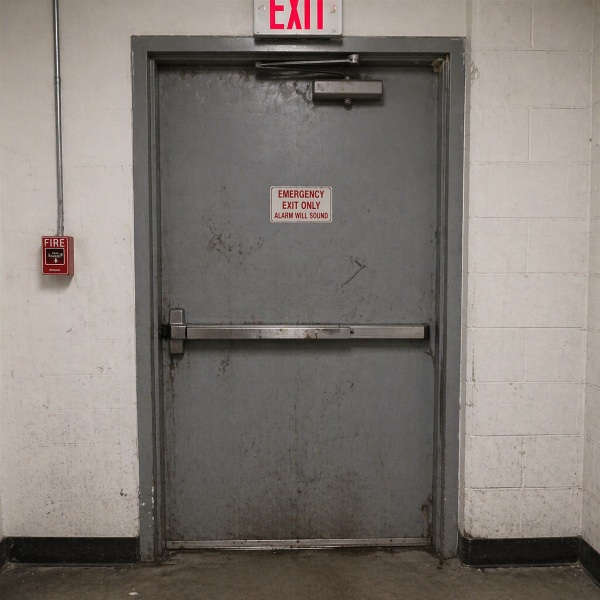



Fire Rated Door Repair in Toronto

When a fire-rated door or exit door stops closing properly, fails to latch, binds in the frame, or develops hardware trouble, the issue should not be treated like ordinary commercial wear. These openings do more than control traffic. They are part of how a commercial property manages separation, egress, and dependable movement through the building. That is why emergency repair for fire-rated openings and exit-path doors matters so much in Toronto commercial properties: the problem needs to be identified quickly, the opening needs to be stabilized if required, and the repair decision needs to reflect how that specific door is meant to function.

REQUEST CALLBACK

GET 15% OFF ANY REPAIR

Contact Form
prime windows google 5 stars
prime homestars
wsib prime windows & doors

Why Does Urgent Repair Matter for Fire-Rated and Exit Doors?

A fire-rated opening that no longer self-closes or latches properly can no longer be treated as a minor adjustment issue. The same is true of an exit door that sticks, binds, or develops panic-hardware trouble along an egress path. In both cases, the concern is not simply convenience. It is whether the opening still performs the way it is expected to during normal use and under more demanding conditions.


Delay matters because small faults often spread. A weak closer can lead to poor closing action. A latch problem can turn into repeated misalignment. Frame movement, hinge wear, or worn panic hardware can make the opening less reliable with daily use. On fire doors and exit doors, that kind of drift from normal operation should be handled sooner rather than later.
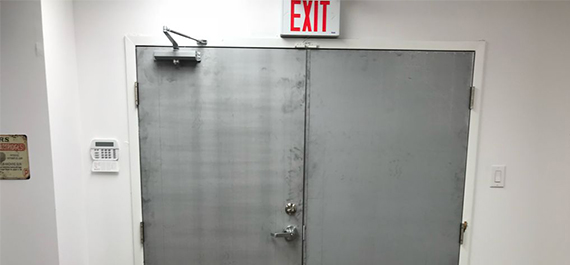
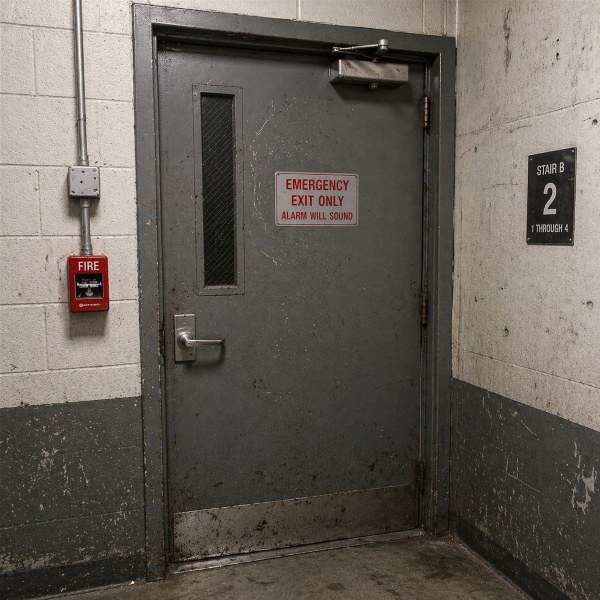
Fire Rated Doors

What Problems Commonly Affect Fire Doors?

Urgent fire-door repair calls often involve faults that affect the operation of the rated opening as a whole. Common problems include:


  • fire doors that no longer self-close fully or consistently
  • latch problems that prevent the door from securing properly in the frame
  • worn or failing closers on fire-rated openings
  • hinge wear or frame movement that affects fit and closing action
  • visible gaps, misfit, or warping that interfere with proper seating
  • damaged hardware that affects the function of the rated assembly
  • repeated adjustment issues that suggest the problem is no longer routine wear


In many cases, the problem is not just one failed part. A fire door that will not close properly may involve closer performance, hinge wear, frame condition, latch engagement, or the way the slab is sitting in the opening. That is why fire-door repair needs to focus on how the assembly behaves as a fire-rated opening, not only on the most obvious symptom.

What Problems Commonly Affect Emergency Exit Doors?

Emergency exit-door problems usually become urgent when they affect reliable egress, day-to-day operation, or the hardware people depend on to move through the opening safely. Common issues include:


  • exit doors that stick, drag, or bind during opening or closing
  • panic hardware that is damaged, loose, worn, or no longer operating cleanly
  • doors that fail to latch consistently after use
  • closers that no longer control the door properly
  • frame movement that affects alignment at an egress point
  • hinge or pivot wear that changes the way the door swings and seats
  • repeated problems on a high-use exit door that point to more than routine wear


An exit door can seem usable while still showing signs that repair should not be delayed. If the door becomes harder to operate, stops latching reliably, or begins showing hardware faults on a regular basis, the issue has usually moved beyond simple wear and into a repair situation that deserves faster attention.

When Does a Repair Issue Stop Being Routine?

A repair issue stops being routine when the door is no longer just inconvenient, but unreliable in the way it closes, latches, opens, or seats in the frame. For fire-rated doors, that often means self-closing trouble, latch failure, poor fit, or hardware condition that affects the function of the rated opening. For exit doors, it usually means binding, panic-hardware problems, repeated closure issues, or anything that affects dependable egress.


This is also the point where repair should no longer be approached like standard traffic-door work. Fire-rated openings may require added attention to the listed assembly, the hardware in use, applicable code requirements, and manufacturer specifications. Exit-path doors need to be assessed with equal attention to operation, release hardware, and reliable daily function.

What Is Included in Professional Fire-Door and Exit-Door Service?

Professional service for fire doors and exit doors usually begins with the full opening, not only the failed component. For fire-rated doors, that means checking closer performance, latch engagement, hinge condition, frame fit, hardware wear, and whether the door closes and seats properly within the opening. The goal is to determine whether the assembly is still behaving the way a fire-rated opening is meant to behave.


For exit doors, the service approach should also look closely at panic hardware, door swing, latch performance, alignment, closer function, and any repeated-use wear affecting the egress path. In both cases, the technician should be able to tell whether the right next step is adjustment, hardware correction, repair, temporary securing, or a broader intervention because the opening is no longer performing as intended.

Why Do Fire-Door Maintenance and Exit-Door Servicing Matter?

Fire-door maintenance and exit-door servicing help catch problems before they become urgent. On fire-rated openings, that often means spotting weaker closing action, poor latch engagement, hinge wear, or fit problems before they turn into a more serious service issue. On exit doors, it means keeping ahead of panic-hardware wear, repeated binding, closer decline, and the effects of constant daily use.


That matters most in active commercial buildings where certain openings are used over and over again throughout the day. A maintenance-focused approach can help identify wear earlier, reduce repeat service issues, and make it easier to address a problem while repair is still more practical than disruption.

How Do You Choose the Right Repair Team for Fire Doors and Exit Doors?

The most useful question is not whether a provider handles commercial doors in general, but whether that provider has real experience with fire-rated openings and exit-path doors specifically. The right team should understand self-closing and latching issues on fire doors, panic-hardware problems on exit doors, fit and frame-related faults, and the difference between routine wear and a door problem that affects rated or egress performance.

That also means the provider should be able to assess the opening clearly, explain what is actually failing, and distinguish between a limited repair, a hardware correction, and a situation that needs broader action. For this kind of work, specialized judgment matters just as much as speed.

FAQ

A fire door should be assessed quickly if it no longer self-closes properly, fails to latch, shows hardware failure, binds in the frame, or develops fit problems that affect the way it closes and seats. These are signs that the issue may be affecting the operation of the rated opening rather than ordinary wear alone.

If an exit door stops latching properly, the problem should not be left in service without assessment. Latch failure can point to alignment issues, closer decline, hardware wear, or frame movement, and it can affect the reliability of the opening during normal use.

Yes. If panic hardware becomes loose, damaged, inconsistent, or difficult to operate, the issue can move quickly from routine wear to an urgent repair situation. Exit doors depend on dependable hardware function, especially in high-use commercial properties.

Fire-door repair may involve added attention to the listed assembly, the hardware installed on the opening, the way the door fits and latches within the frame, and the applicable code or manufacturer requirements tied to that rated opening. That is why fire-door repair should not be treated the same way as routine work on a general traffic door.

Our Projects

Testimonials

Cooper Lavoie
Amazing service!! SHON was great to work with, he was quick to respond to every question we had, the work was done efficiently and to a very high quality. We love our windows and would go back to this company for any future jobs!
Katerina Sikolová
Absolutely amazing service, from the beginning. I would recommend them to anyone getting their windows done. He was great to speak with and the installers were absolutely wonderful and professional. They were clean, very quick and pleasant.
Rosanne Amio
Had a great experience with Shawn for an emergency fix. Assessed the situation and had the window fixed within 24 hours. Not to mention on a high floor condo too! Appreciate the professionalism and quick turn around time.
Gatlin He
Called Prime Glass on a Saturday night to have our storefront glass door replaced in a panic from a bad wind storm. Shon came within a half hour and fixed it without blinking an eye! Excellent Service!
Isabella Edelshteyn
Experienced technician, did great work and in a timely manner, highly recommend this company and will be calling them again for future work. Thank you so much for the amazing job!
Alease Mike
I needed to replace a broken window of a 3rd floor apartment. Shon and his team came the next day to assess and returned in 2 days (earlier than promised) to complete the work. They were on time, worked fast (very efficient and clean!) and …
Call Now Button